Healthy Nutrition Tips
Eating a balanced diet is one of the most important parts of staying healthy and reaching your fitness goals. A balanced diet includes the right mix of macronutrients—proteins, carbohydrates, and fats—which work together to give your body energy and help it recover. Proteins help build and repair muscles, carbs give you energy for workouts, and healthy fats support brain function and hormone balance. Understanding your macros can help you make smarter food choices and stay consistent with your goals.
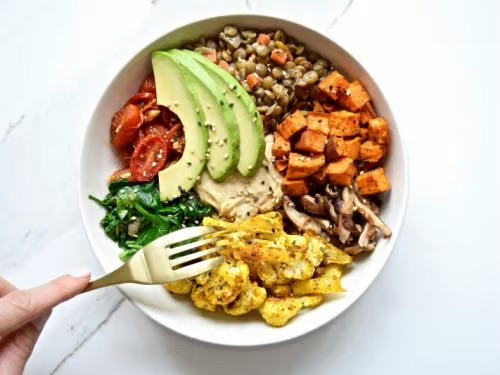
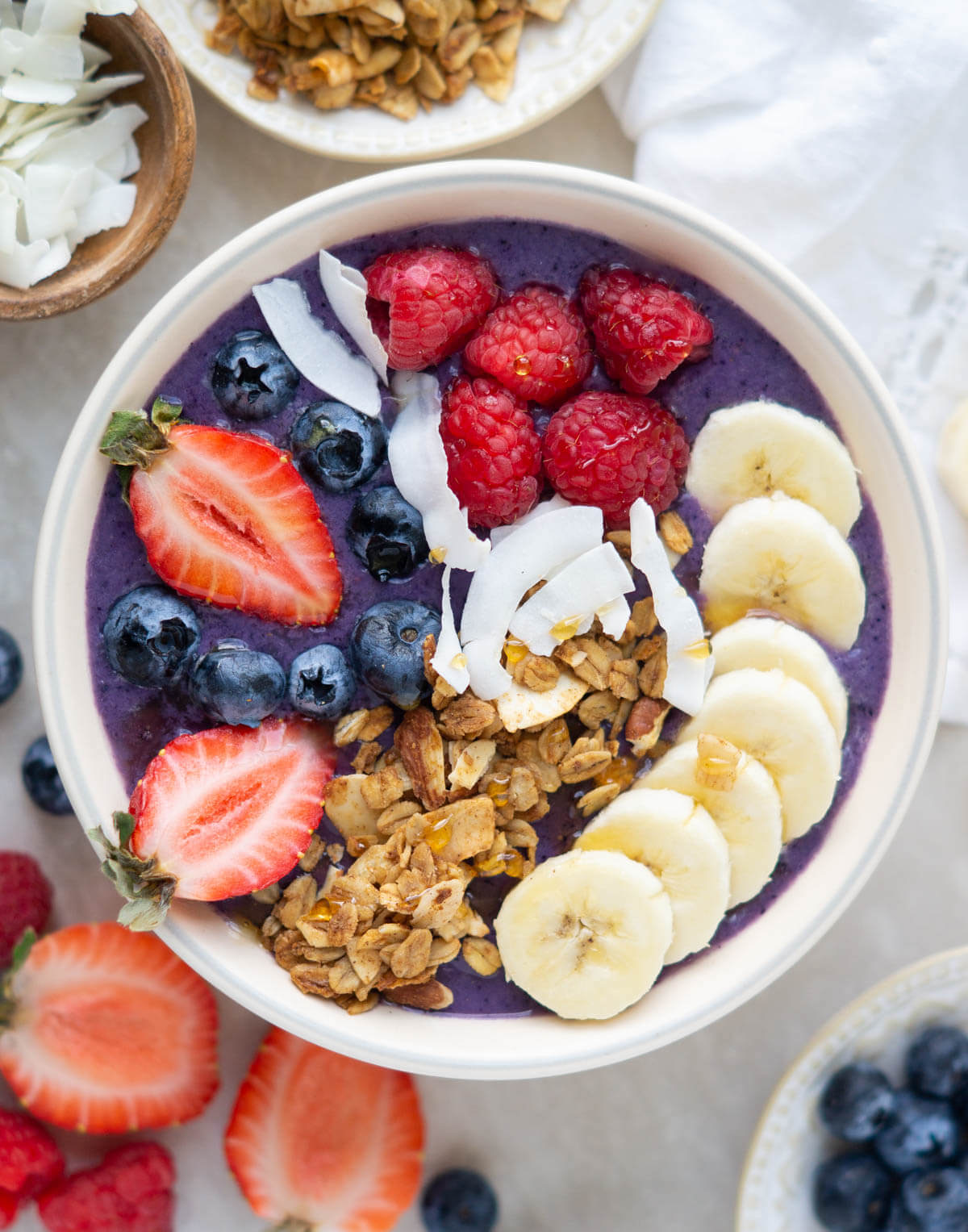
Healthy meals don’t have to be complicated. A good example of a balanced plate might include grilled chicken, brown rice, and steamed vegetables. For breakfast, try oatmeal with fruit and nuts, or eggs with whole grain toast and avocado. Snacks like Greek yogurt, smoothies, or mixed nuts are great for keeping energy levels steady throughout the day. The key is variety—try to include colorful fruits, vegetables, and lean protein sources in every meal.
Staying hydrated and getting enough vitamins are also key parts of good nutrition. Water helps your body digest food, transport nutrients, and regulate temperature—so make sure to drink it regularly, especially before and after workouts. Vitamins and minerals, like vitamin D, calcium, and iron, play important roles in keeping your bones strong and your energy high. A combination of whole foods, hydration, and consistency will help you stay healthy and feel your best every day.
Nutrition FAQ
Nutrition plays a major role in overall health, energy levels, and workout performance, yet it can often feel confusing or overwhelming with so much information available. This FAQ section is designed to answer common nutrition questions in a clear and practical way, helping you make smarter food choices without unnecessary complexity. Whether your goal is muscle gain, weight loss, or simply eating healthier, these answers provide quick guidance to support balanced meals, proper hydration, and long-term consistency in your fitness journey.
Macronutrients are protein, carbohydrates, and fats—your body uses them for energy, recovery, and health.
A common starting point is adding protein to every meal (chicken, fish, eggs, beans, Greek yogurt).
No, carbs provide energy. Choose complex carbs like oats, rice, potatoes, and whole grains most often.
Healthy fats include olive oil, avocado, nuts, seeds, and fatty fish. They support hormones and brain health.
Many people aim for about 8 cups per day, but you may need more if you’re active or it’s hot outside.
Try protein + carbs + veggies + healthy fats (example: chicken, rice, vegetables, and olive oil).
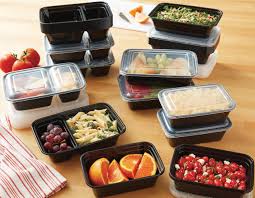
Yes, meal prep saves time and helps you stay consistent with healthy choices during busy weeks.
Carbs + protein works well (banana + yogurt, toast + eggs) about 60–90 minutes before training.
Focus on protein and carbs to recover (chicken and rice, protein smoothie with fruit, or eggs and toast).
Swap to fruit, yogurt, dark chocolate, or smaller portions. Keep snacks planned instead of random.